


Creating Safety in Relationships After Emotional Trauma
After a tense dinner, you notice your shoulders lock. This isn’t a character flaw; it’s your nervous system remembering past harm. Safety isn't just about words—it's about teaching your body that connection is safe again. Here is how to track triggers and practice "co-regulation" to heal together.

Anxiety After Trauma: How Your Brain and Body Try to Protect You
Racing heart, sleepless nights, and constant worry? That isn't a character flaw—it's your Amygdala doing its job too well. Discover why trauma puts your brain in overdrive and how tools like grounding, breathwork, and EMDR can help you hit the brakes.

The Link Between Perfectionism and Trauma Response
You’re not just "picky" or "driven." For many, perfectionism is a shield. If your nervous system learned that being flawless was the only way to be safe, mistakes feel like life-or-death threats. Discover the science behind trauma-driven perfectionism and how to move from rigid control to resilient excellence.
Parts Work and Self-Compassion: Using IFS to Heal Inner Conflict
Do you feel like you’re constantly at war with yourself? That tension isn't a failure—it's just your "parts" trying to protect you. In this guide to Internal Family Systems (IFS), we explore how to meet your Inner Critic and Perfectionist with curiosity instead of combat. Learn how to unblend from chaotic thoughts and build a safe, resilient internal world.

EMDR Vs Talk Therapy: What’s the Difference?
EMDR and talk therapy are both evidence-based methods to heal emotional pain, but they work in different ways. EMDR targets specific memories using bilateral stimulation for faster relief, while talk therapy focuses on insight, reflection, and skill-building over time. Discover which approach fits your goals and needs.
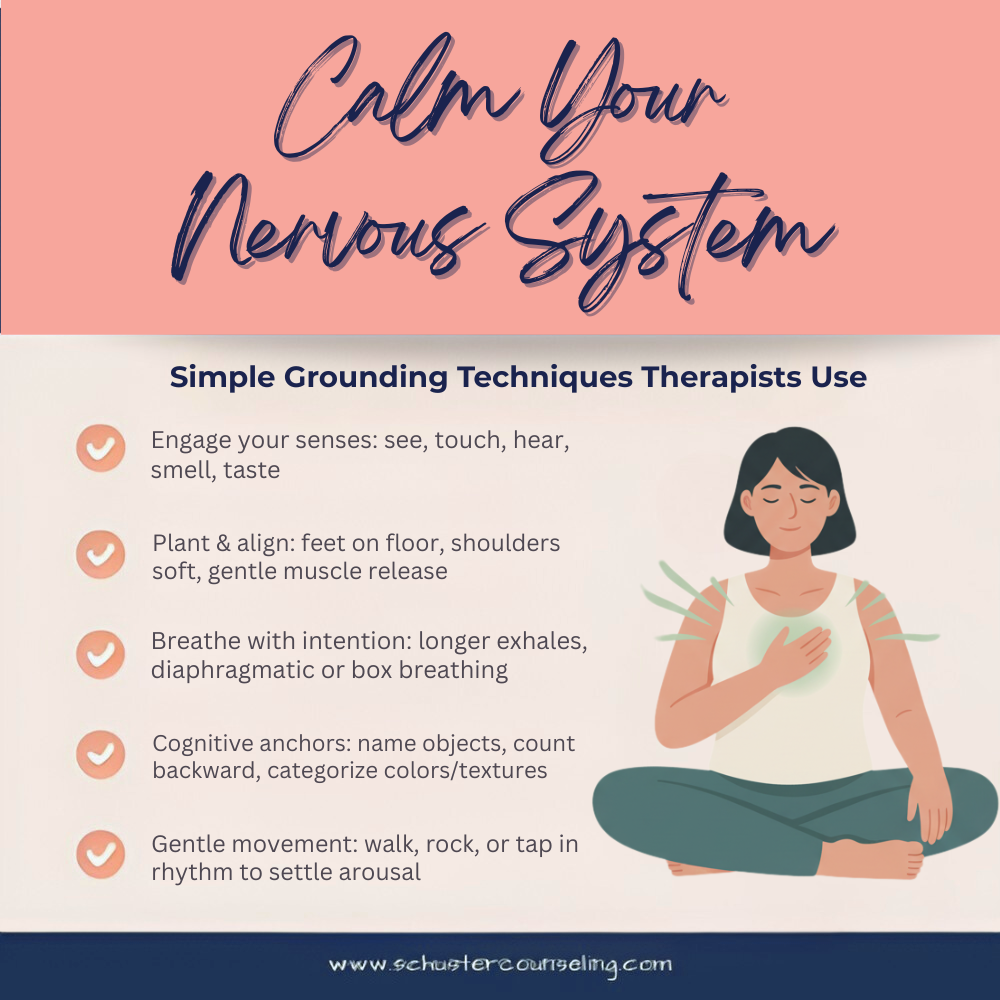
Grounding Techniques Therapists Use to Calm the Nervous System
Grounding techniques can help you calm the nervous system and regain focus. Learn trauma-informed methods using senses, posture, breath, and movement to restore balance and resilience.
Why Depression Isn’t Laziness: A Trauma-Informed Perspective
Depression often looks like laziness, but it’s actually a nervous system response to chronic stress or trauma. This trauma-informed perspective explains why shutdown, fatigue, and numbness happen—and how to rebuild energy and motivation safely.

Reconnecting After Burnout: Healing Emotional Exhaustion Through IFS
Burnout isn’t a flaw—it’s your inner parts working overtime to protect you. Through an IFS lens, you can meet the hustler, shutdown, and critic parts with curiosity, rebuild Self-leadership, and use simple somatic anchors and micro-boundaries to restore calm and sustainable energy.

Understanding the Window of Tolerance: Regulating Anxiety and Overwhelm
Your nervous system isn’t your enemy—it’s a guide. By learning to notice early signs of stress and using simple grounding tools, you can return to calm more easily and stay centered through daily challenges.

Healing Your Relationship With Food After Bariatric Surgery
Post-bariatric surgery, eating can feel confusing—but your body can be retrained. Discover gentle nutrition, mindful eating, and emotional coping strategies that restore safety, satisfaction, and freedom with food.

How Trauma Lives in the Body and How EMDR Can Help
Trauma can leave your body on high alert, even when your mind doesn’t remember. EMDR therapy helps uncouple these automatic stress responses, allowing your nervous system to reset, calm, and reclaim safety.

Why Bariatric Counseling Should Be Part of Every Post-Op Plan
Weight loss surgery transforms your body, but what about your mind? Post-op life brings unexpected emotions, identity shifts, and challenges that the scale can’t measure. Bariatric counseling helps you navigate cravings, body changes, and the pressure to “have it all together,” offering the long-term support every patient deserves.

What to Expect During Your Bariatric Psychological Evaluation
Nervous about your bariatric psych eval? You’re not alone. Here’s what to expect—and how to feel more confident walking in.

When the Weight Comes Back: Mental Health Support for Regain
Weight regain is common—and not a failure. With support and self-compassion, you can move forward. This is part of the journey, not the end.
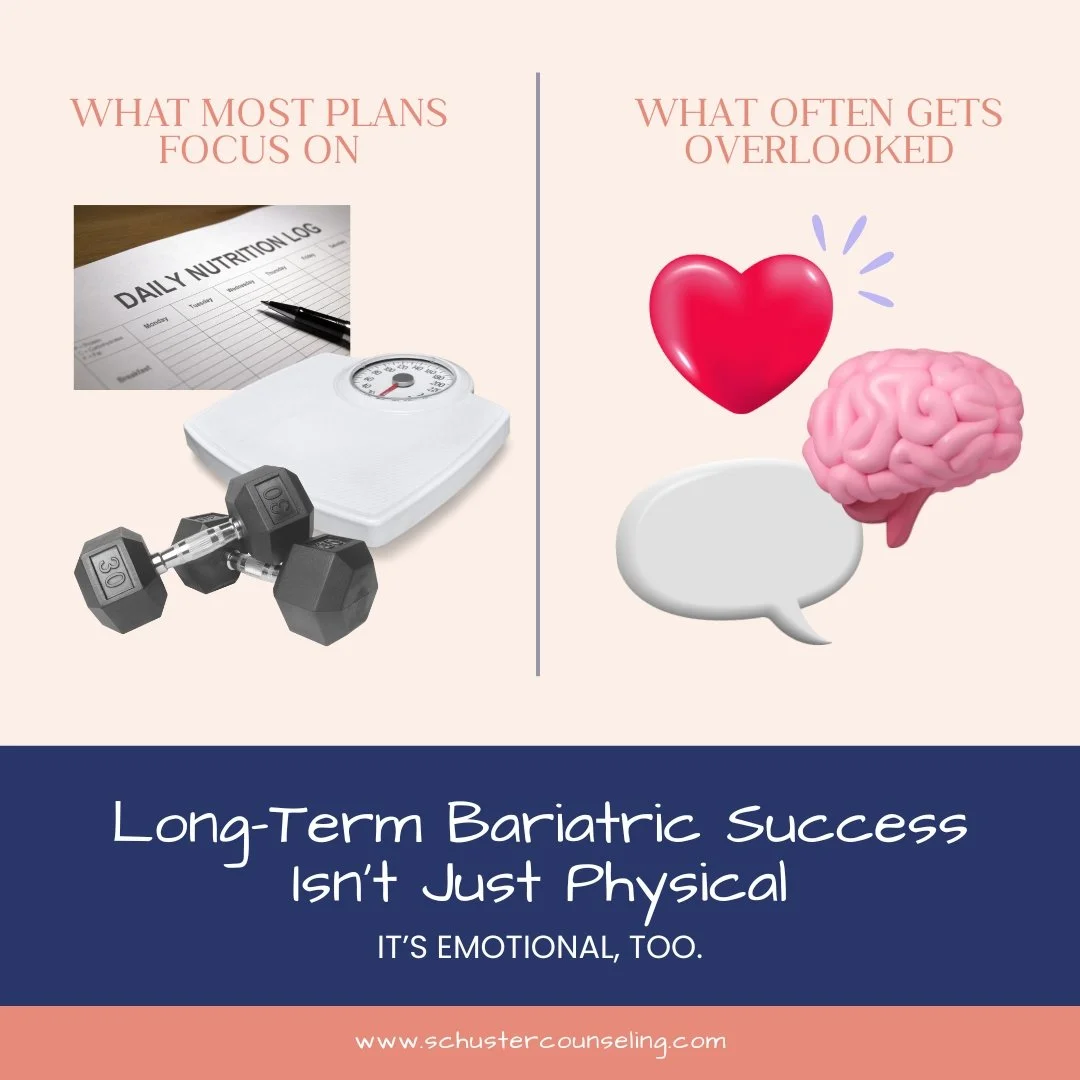
How Mental Health Impacts Long-Term Bariatric Surgery Success
Bariatric surgery changes more than your body, it affects your emotions, too. Therapy and support help you stay on track, manage stress, and feel confident in your new life. Your mind needs care, just like your body.
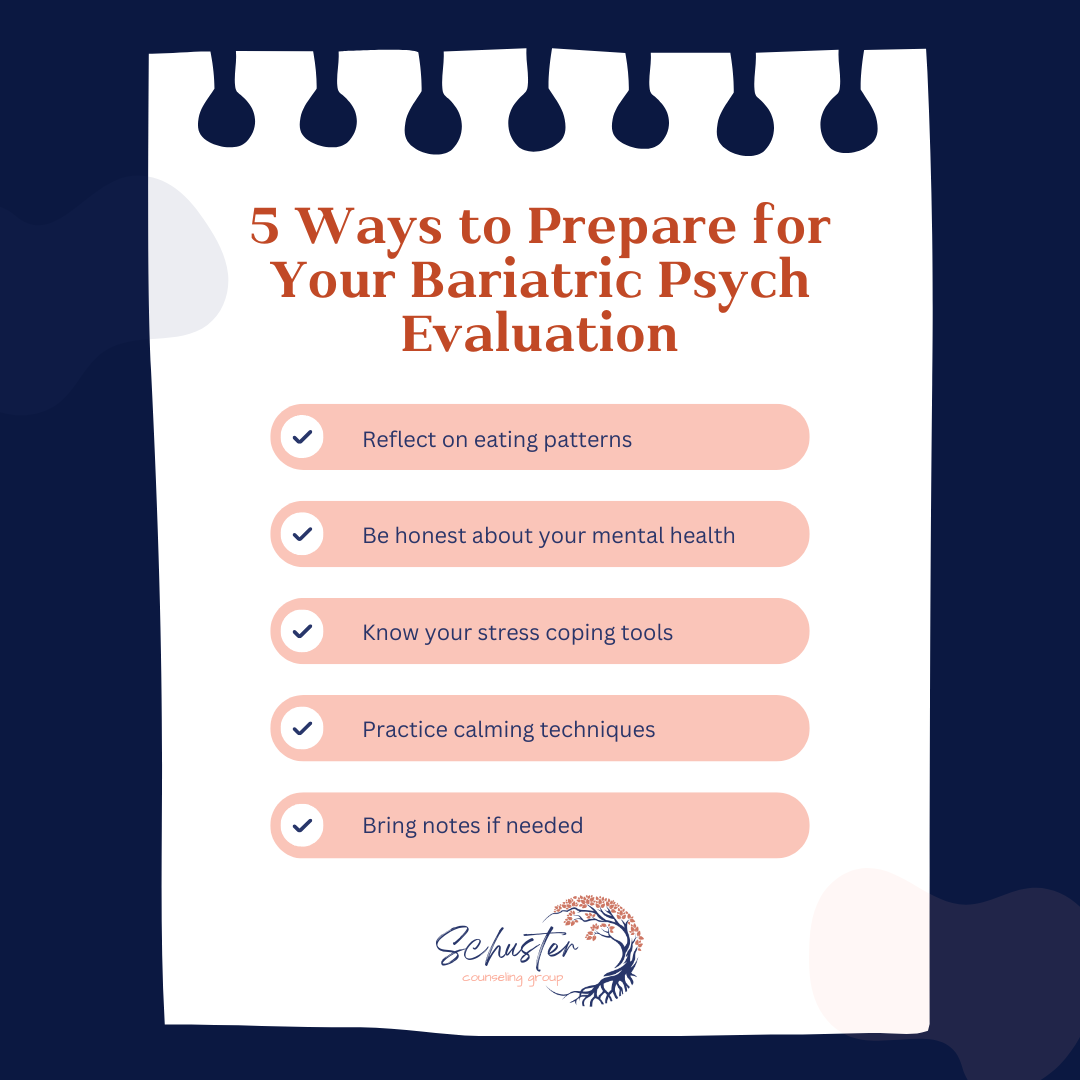
How to Prepare for Your Bariatric Psych Evaluation
Mental health matters—especially before and after bariatric surgery. From emotional eating to anxiety and isolation, this post explores the most common psychological barriers that can impact long-term success—and how honest, judgment-free support can help you navigate them with confidence.
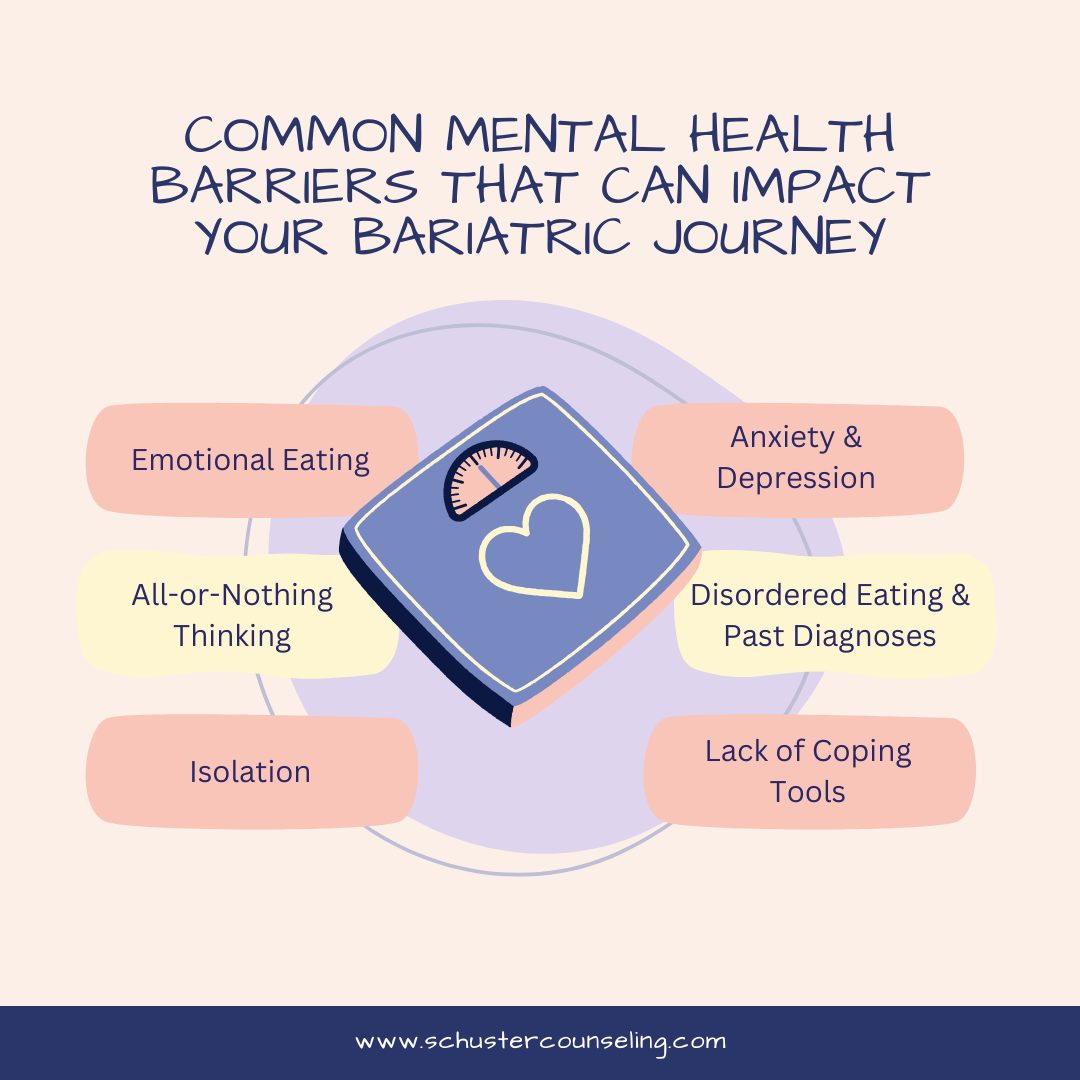
What Mental Health Barriers Can Impact Bariatric Surgery Success?
Bariatric surgery changes more than your body—it shifts your mindset, too. This post explores the mental health challenges that can impact success and how honest support makes all the difference.

Is a Bariatric Psychological Evaluation Required for Surgery?
Getting ready for bariatric surgery? A psychological evaluation is usually required—but it’s nothing to stress about. This post explains why it’s important, what to expect, and how to feel prepared and confident going in.

Overcoming Sleep Disturbances: Strategies for Better Rest
Struggling with sleep? Learn trusting strategies to improve your pre-sleep routine, adjust your diet, and create a restful environment—proven techniques from Schuster Counseling Group to help you sleep better tonight.

The Impact of Social Media on Self-Esteem: Finding Balance in a Digital World
How to Keep Your Digital Life from Draining Your Real One – Social Media Self-Esteem Tips | Phone screen showing Instagram feed with person scrolling—graphic highlighting digital detox, mindful engagement, and screen time tips to protect self-esteem.